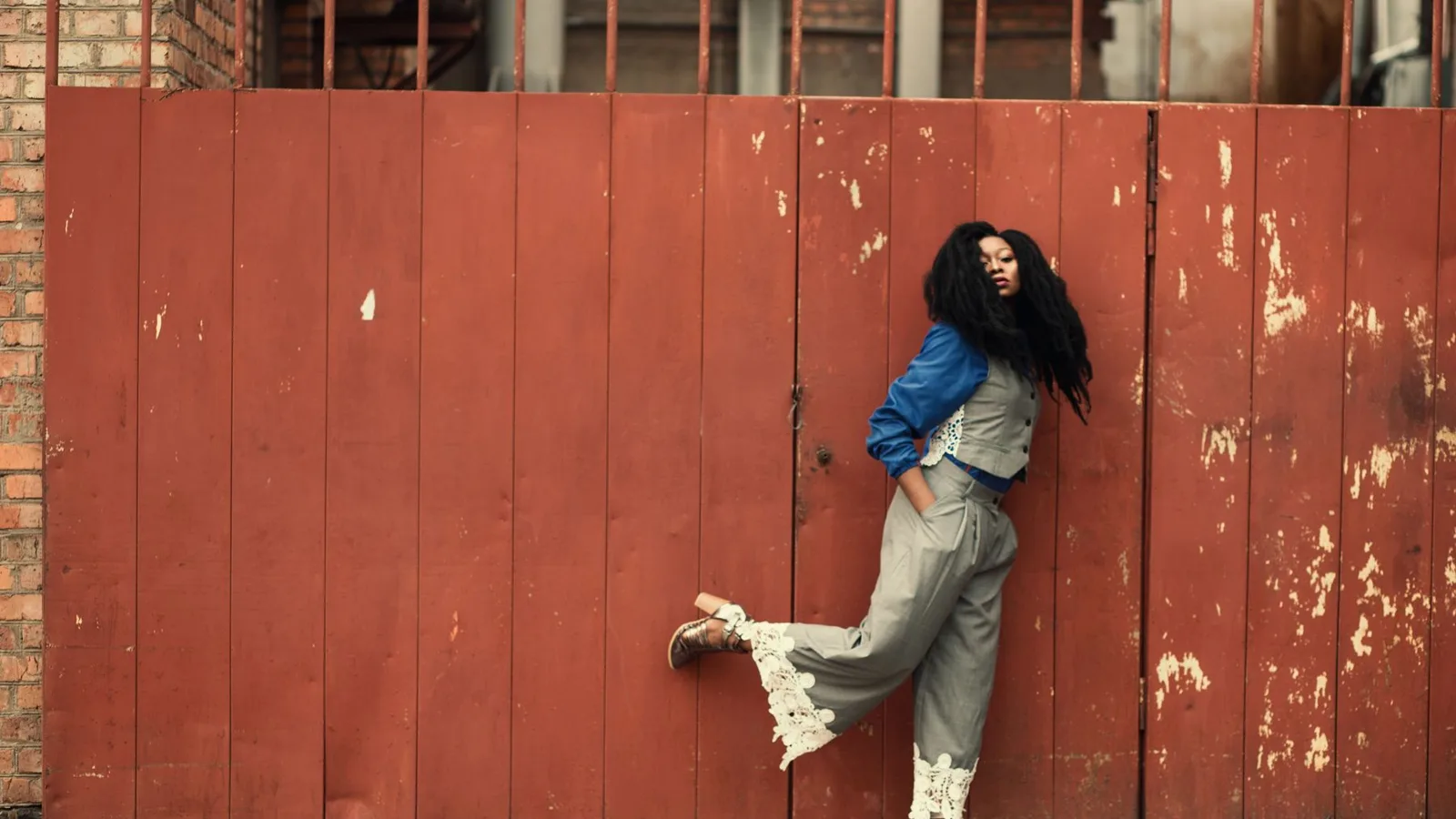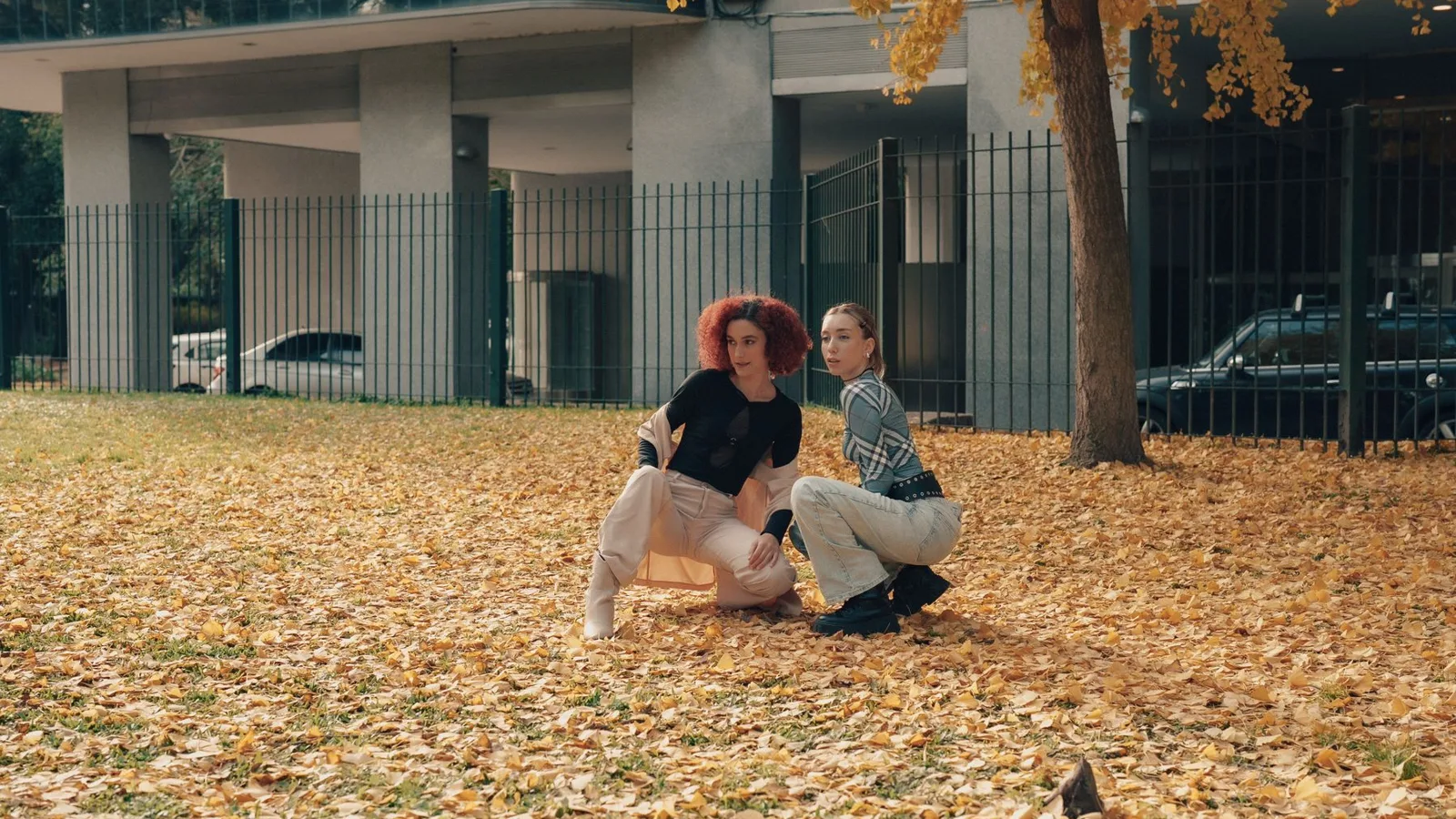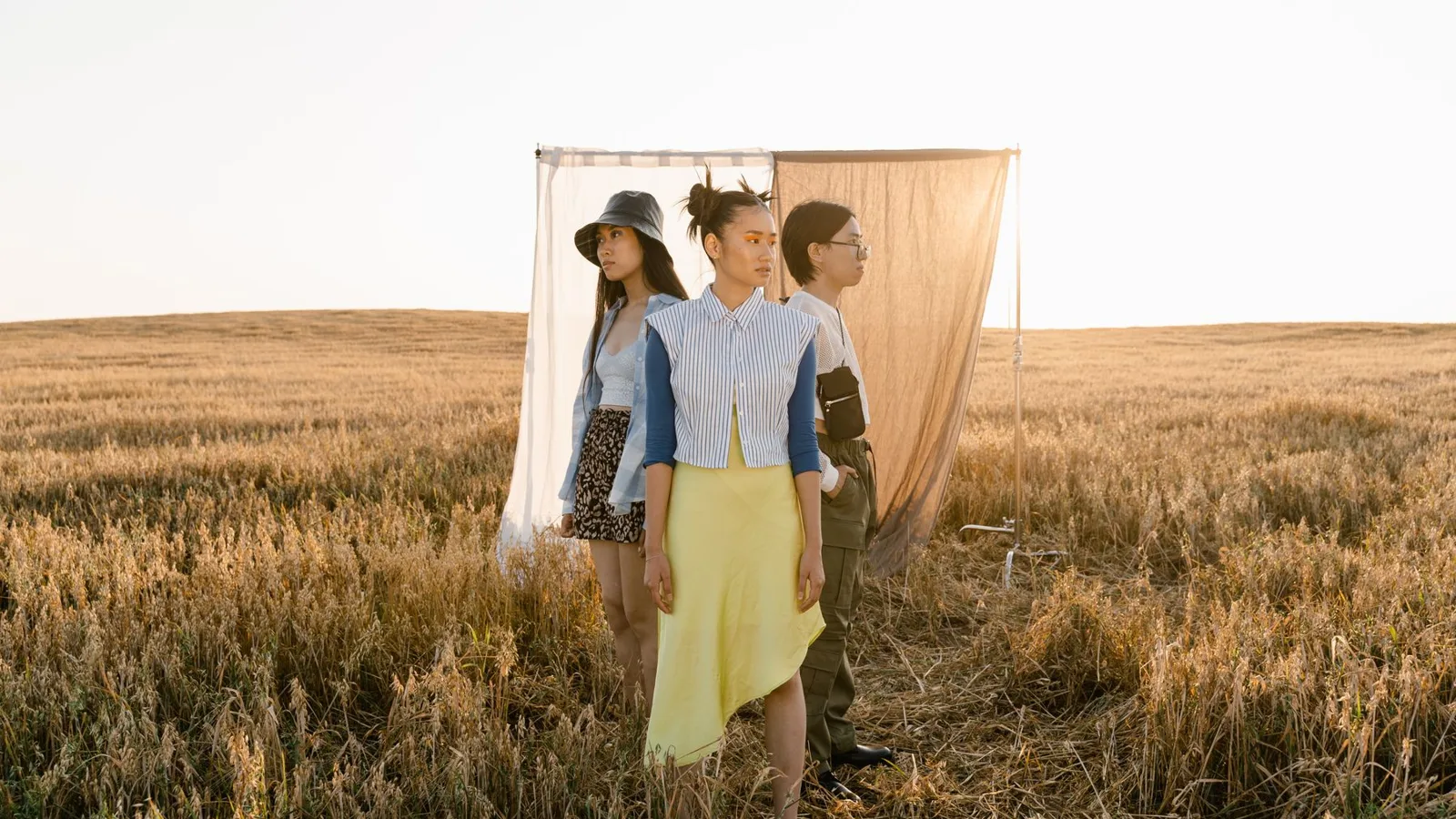
Spring and summer 2026 already had its runway season, reported on heavily since the shows closed, which means the trend list below is not a prediction, it is already confirmed by what showed up on the rails at Celine, Miu Miu, Loewe, and a long list of others. What makes this particular trend cycle worth a dedicated piece, rather than folding it into the winter 2026 trends list already live on this site, is timing: Southern Hemisphere readers are walking into spring right now, which means these pieces are brand new purchases, while Northern Hemisphere readers are heading the other way into a transitional autumn, which means the same pieces are either already in the closet from earlier in the year or worth buying now specifically because they carry into cooler weather layered rather than worn alone. Either way, the five signals below are the ones worth knowing, and the two sections after them tell you which hemisphere’s door you are walking through.
The five spring/summer 2026 trends worth knowing about
Five signals ran clearly enough across the spring/summer 2026 shows and the Pantone Color Institute’s own fashion week report to be worth acting on, rather than a dozen micro-trends that will not survive one season.
Literary chic, the bookish layer. Celine, Tory Burch, Wales Bonner, and Miu Miu all leaned into a dressed-up librarian silhouette for spring/summer 2026: pencil skirts, cardigans, button-down shirts, and fine knits, worn with more precision than the campus-casual version of the same pieces. A good cardigan or a crisp button-down bought with this styling in mind earns its keep well past one season, since the pieces themselves are wardrobe basics, not a one-look costume.
Klein blue, concentrated in one accessory. The electric blue popularized by the artist Yves Klein showed up across spring/summer 2026 bags specifically, at Loewe, Celine, Victoria Beckham, Valentino, and Tory Burch, as slim crossbodies, totes, and top-handle bags. A bag is the lowest-commitment way to bring a genuinely loud color into a wardrobe, since it sits apart from the outfit’s main color story rather than needing to be matched.
Sheer and transparent layers. Tom Ford and Jil Sander both sent fully transparent looks down the spring/summer 2026 runway in chiffon, mesh, and lace. The runway version is head-to-toe; the wearable translation is a single sheer piece, a blouse or an overlay, worn over a plain camisole or bralette so the transparency reads as a fabric choice rather than the entire point of the outfit.
Pantone’s grounded-plus-bright palette. Pantone’s Fashion Color Trend Report for New York Fashion Week Spring/Summer 2026 names ten colors built around trans-seasonal neutrals, Angora, Sage Green, Coffee Bean, paired with a handful of genuinely bright accents, Dusty Rose, Tea Rose, Acacia, Lava Falls, and Marina among them. Leatrice Eiseman, Pantone’s executive director, described the season’s palette as giving people “room to experiment and put our own stamp on fashion,” which is a useful way to read the list: one neutral base, one bright accent, chosen rather than matched to a formula.
Charm necklaces and statement pendants. Several spring/summer 2026 collections built jewelry around charm necklaces and layered pendants as a finishing detail rather than a built-in design feature, the same low-commitment logic a statement brooch carried through the winter 2026 trend cycle. It is the cheapest piece on this list and the one most likely to earn back its cost many times over, because it pins onto an outfit you already own rather than needing one built around it.
Keep the base neutral, Angora, Sage Green, or a warm Coffee Bean brown, and let one Pantone accent, Dusty Rose, Lava Falls, or Marina, do the color work in a single piece: a bag, a blouse, or one accessory. The neutral carries the outfit; the bright accent is what makes it read as this season rather than any other one.
Translating the five trends across both hemispheres
For a reader heading into a real Southern Hemisphere spring right now, all five trends above are buyable as described: a lightweight cardigan for cooler spring mornings, a sheer blouse for warmer afternoons, a bright bag, a charm necklace, and a Pantone-coded accent piece all work immediately, with no translation needed, since the season the clothes were designed for is the season actually arriving.
For a reader heading into a Northern Hemisphere autumn instead, three of the five translate forward with almost no change. A charm necklace, a bright-colored bag, and the literary-chic cardigan or button-down all layer cleanly under a coat or over a turtleneck without losing the point of the trend; buy them now and they carry straight through to next spring as well. The other two need a seasonal substitution rather than a direct carry-over. A sheer blouse worked for spring and summer loses its point under a heavy coat, but the same transparent-layer idea survives in a sheer or mesh-paneled knit, a cooler-weather piece that keeps the texture signal without the warm-weather fabric behind it. A full head-to-toe Klein blue look has no autumn equivalent at all, but the color itself, concentrated into that one bag, reads exactly as current against a camel coat or a charcoal knit as it does against a linen dress.
Worked example: one piece, a full season
Take the Klein blue bag from the list above, a mid-size crossbody in the saturated electric shade several houses sent down the runway this season. Worn with a white linen shirt and tailored shorts, it is a considered warm-weather daytime outfit. Swap the shorts for wide-leg trousers and add the season’s charm necklace, and the same bag works for a dinner out. Pair it with a sheer blouse layered over a camisole and a pencil skirt, and it becomes the literary-chic formula’s one bright note. Carry the identical bag into a Northern Hemisphere autumn against a camel coat and a chocolate-brown knit, and the color reads as a deliberate seasonal accent rather than a leftover summer piece. One bag, four distinct outfits across two hemispheres, because the color was chosen to anchor a palette rather than to stand alone in one photo.
What to skip this cycle
Skip a full head-to-toe version of any one trend, an entire sheer look or an entire Klein-blue outfit; a single piece does the seasonal signaling, and a full look reads as costume rather than considered, exactly the same rule that applied to last season’s tartan and faux fur trends. Skip buying the literary-chic cardigan or button-down in a color or fit you would not have reached for anyway; the trend is a styling idea applied to a wardrobe basic, not a reason to buy a basic you do not actually need. Skip a cheap, fully see-through piece bought purely because it photographed well on a runway: a sheer layer only works dressed, meaning paired with the right camisole or slip underneath, and a piece bought without that pairing in mind usually ends up unworn.
The one mistake to avoid
The single most common trend-buying mistake this season is treating the Pantone palette as a shopping list instead of a pairing system. Buying five different accent colors because each one looked good individually in the report produces a closet full of pieces that fight each other rather than a wardrobe that can mix and match. The report itself pairs a small set of neutrals against a handful of brights for a reason: pick one neutral base you already wear often, then choose exactly one accent color from the bright half of the list to build this season’s pieces around, rather than chasing every color that photographed well.
Checking the final look
A trend piece photographs differently in a fitting room mirror than it does against the actual coat, bag, or knit you will pair it with at home, in your own lighting, next to your own existing wardrobe. That is the gap Aurea is built to close: photograph the piece styled with what you already own, and it scores the color pairing, the fit, and whether the whole look reads as intentional, before the receipt is final rather than after. A Klein blue bag or a sheer blouse is a bigger bet than a basic, whichever hemisphere you are buying it for, and it deserves a more honest check than one mirror under fitting-room lighting.
Questions, answered
I am in Australia heading into spring. Do these trends actually apply to me right now?
Yes, more directly than most trend reports. Spring/summer 2026 runway reporting and the Southern Hemisphere's own spring selling season are pointing at the same handful of signals this cycle, sheer layers, a bright accent color, and a bookish knit, so this is one of the rarer trend windows where both hemispheres are shopping the same list at the same time.
What is the single most versatile trend from this list?
The charm necklace or statement pendant. It costs the least, commits to nothing else in your closet, and works layered over a plain tee in warm weather or clipped onto a coat lapel in cooler weather, which is why it is the easiest trend on this list to actually buy.
Is sheer clothing wearable outside of evening occasions?
Yes, with the right layering. A sheer blouse or lightweight mesh top over a plain camisole or bralette reads as a considered daytime choice, not an evening one; the fully transparent, no-layer version seen on some runways is the exception, not the everyday translation.
How many of these five trends should I actually buy into?
One or two, chosen for how many things you already own they pair with. Buying all five in one season is how a closet ends up with several single-occasion pieces instead of one or two that actually get worn through to the next one.