Light Spring and Light Summer are the two seasons in the twelve-season system that people most often describe as “delicate,” and the two that most often get dressed wrong. Their coloring is light overall: pale to medium hair, fair to light skin, softer eyes. The usual mistake is to assume that light coloring means any pastel will work. It does not. These two seasons share a depth, but they sit on opposite sides of the temperature line, and that single difference changes almost every color in the palette. The anchor piece on the twelve-season system already notes that the two overlap on depth despite opposite temperatures. This piece does the practical part: what each one wears, and how to tell which one is yours.
What they share: lightness is the lead trait
In both seasons, depth is the dominant property. Your overall coloring reads as light, so the colors that work are light too, and heavy, dark, or very saturated shades tend to overpower you rather than frame you. That is the shared rule: nothing in either palette should look like it is wearing you.
Keep the lightest and softest tones closest to your face. Let anything darker or stronger sit lower down: trousers, a skirt, shoes, a bag. A pale knit near the face and a mid-tone below it works for both seasons. Reverse it, with a dark top and a pale bottom, and the outfit tends to feel heavy up top.
Everything after that splits by temperature.
Dressing Light Spring
Light Spring is warm, light, and gently bright. Think of a sunlit, fresh, slightly creamy look rather than a cool, dusty one.
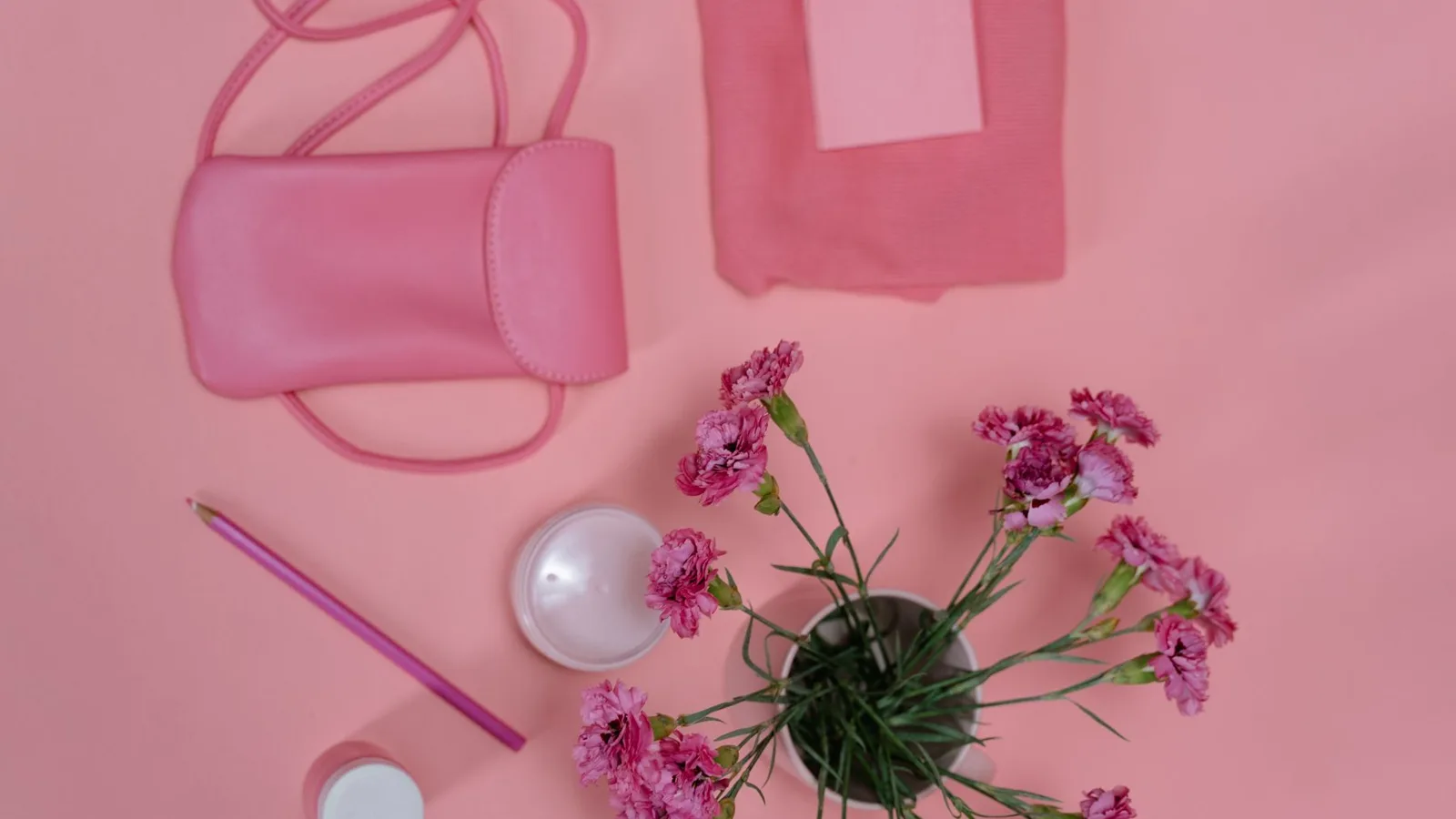
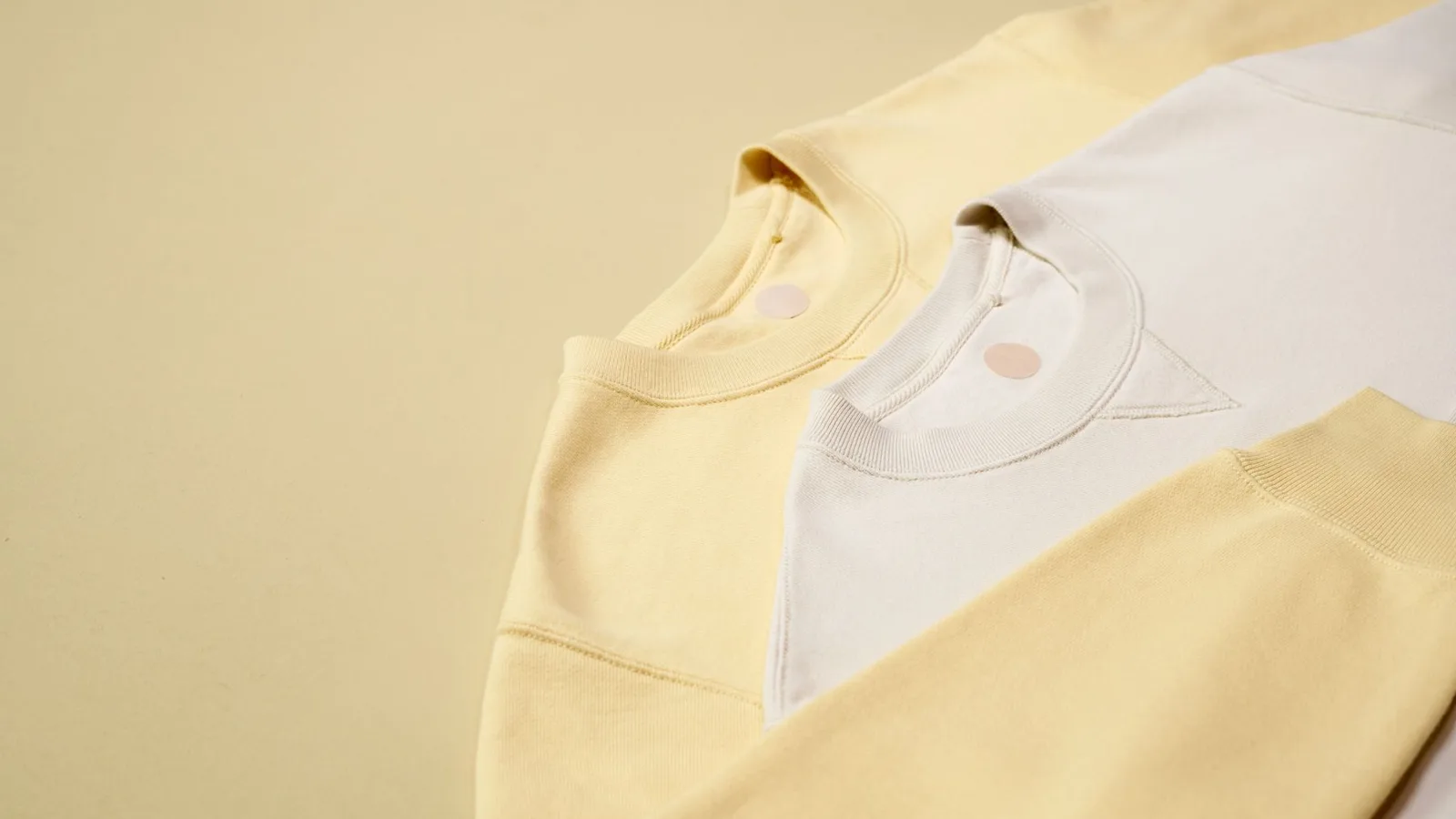
Warm ivory and cream instead of stark white, peach, apricot, soft coral, light warm pink, buttery yellow, light aqua, and fresh mint. Neutrals run to camel, warm beige, and light golden tan, with a soft warm grey or light navy as the darkest option. Gold, rose gold, and light brass are the metals that work.
A reliable Light Spring outfit: a cream knit, light-wash denim with a warm cast, and tan loafers, with a soft coral scarf or a light gold pendant near the face. For something dressier, a peach silk blouse with cream trousers and a camel coat reads fresh and put together without a single dark color in it.
The mistake to avoid is cool pastel: lavender, icy pink, or powder blue. Those are lovely colors, and they belong to the next season. On Light Spring they tend to look slightly grey against warm skin.
Dressing Light Summer
Light Summer is cool, light, and soft. The look is airy and slightly powdery, like a watercolor rather than a sunrise.
Soft white or pale grey-white instead of cream, lavender, baby blue, powder pink, rose, soft periwinkle, and sage with a cool edge. Neutrals run to dove grey, cool taupe, and a soft blue-grey, with a muted navy as the darkest option. Silver, white gold, and rose gold are the metals that work.
A reliable Light Summer outfit: a dove-grey sweater, pale blue jeans, and a rose-pink scarf, with silver studs. For an evening version, a lavender-grey dress with a soft grey cardigan and silver sandals has the same quiet, blended quality.
The mistake to avoid is warm, earthy color: rust, camel, mustard, and warm orange. These push yellow into your skin, and on a cool, light face that tends to read as sallow.
Telling the two apart when both feel right
Because both seasons are light, the depth question will not separate them. Temperature will, and the peach-versus-lavender comparison is the quickest way to see it.
In daylight, with no makeup, hold a peach top against one side of your face and a lavender top against the other, or compare them one after the other. If the peach warms your skin and the lavender flattens it, that points to Light Spring. If the lavender makes your eyes and skin look clearer and the peach looks orange, that points to Light Summer. Do the same with cream versus soft white for a second reading.
If the result is a tie, it is worth reading warm vs cool undertones and rerunning the vein and jewelry tests. A true tie often means a neutral undertone, and a neutral person tends to sit closer to one season depending on contrast, which is the reason a drape is more reliable than a single test.
What to do with the neutrals
Light seasons are often told to avoid dark neutrals, then left without a replacement. Here is a working set for each.
Instead of black: Light Spring uses soft navy or warm brown, Light Summer uses muted navy or charcoal-grey. Instead of stark white: Light Spring uses cream or ivory, Light Summer uses soft white. Instead of a tan or beige coat: Light Spring keeps camel, Light Summer moves to a cool taupe or soft grey.
This is also where the proportion rules in color harmony earn their place. A light palette still needs one lead color and one supporting one, plus a small accent. The risk with light seasons is that everything ends up the same pale value and the outfit looks washed out as a whole. Keep the lead color noticeably mid-tone, then let the pale pieces support it.
When you need to wear a color that is not yours
Black tie, a work uniform, or a bridesmaid dress in a color you would never choose: it happens. The fix is to move the difficult color away from your face and put a flattering one near it. A black dress becomes workable with a cream or soft white scarf for Light Spring, or a pale grey or lavender wrap for Light Summer. A bold color can be worn lower, with a pale top over it. You do not need to refuse a color to make it work, you only need to control where it sits.
Checking the final look
Knowing your light season narrows the palette. It does not replace the mirror. The final test is whether the outfit makes your skin look fresh and awake, or whether it leaves you looking pale and a little tired even though every color is technically on the list.
That check is exactly what Aurea runs. Photograph the finished outfit and it scores color harmony, fit and proportion, and occasion match in about thirty seconds. It will not tell you your season, but it will tell you honestly whether the pale peach or powder blue you picked is working on you before you leave the house.
Questions, answered
Do Light Spring and Light Summer both look good in pastels?
Both can wear light colors, but the pastels differ. Light Spring wears warm, peachy, creamy pastels, while Light Summer wears cool, powdery ones like lavender, baby blue, and rose. Swap them and each palette tends to look slightly off.
Can I wear black if I am a Light Spring or Light Summer?
Usually not as a large block near the face. Black is heavy against such light coloring and can make you look washed out or tired. Use soft navy, warm grey, or a mid-tone brown instead, and keep black for shoes or a bag where it sits away from your face.
How do I tell Light Spring from Light Summer if I cannot read my undertone?
Hold a peach top and a lavender top against your bare face in daylight. If the peach looks alive and the lavender looks chalky, lean Light Spring. If the lavender glows and the peach looks orange or sallow, lean Light Summer.
Is Light Summer the same as Cool Summer?
No. Light Summer is the summer family's lightest member, while Cool Summer, also called True Summer, is its purest middle member with no extra lightness. They share a temperature but sit at different depths.